Summer is here and it does not need any introduction. Everyone can actually feel their chunky body lard melting and just wants to get out of the frying pan that is Manila. So, where to go? Baguio, where else!
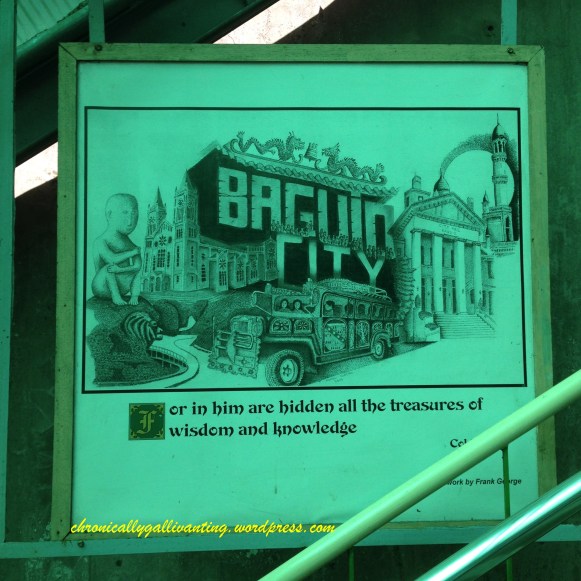
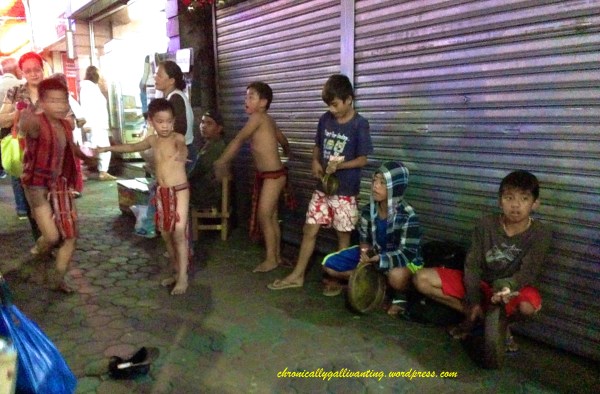
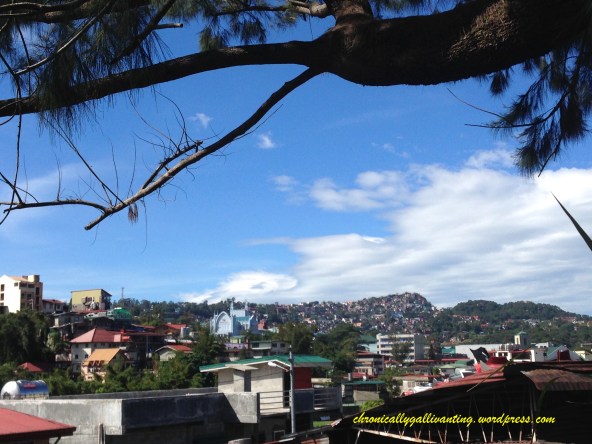
Known as the summer capital of the Philippines since 1909, Baguio is located within the Cordillera Central Mountain ranges up north. Originally called “Kafagway” meaning ‘wide open space’, it was the home of the Kankaney and Ibaloi.
The Spanish were never able to conquer the natives until 1846 when Commandante de Galvey set up a military garrison in a piece of beautiful land which he named after his wife. We all know this as La Trinidad, the capital of Benguet. In addition, thanks to the Spanish who introduced coffee, it is now grown in the area and is also known as Benguet Coffee. This Spanish influence also reached other areas in the Mountain Province thereby producing another kind like Kalinga Coffee.
When the Americans came in the early 1900s, Kennon Road was carved from the mountains, connecting Kafagway to Pangasinan and making it accessible from other lowlands. Camp John Hay was developed in 1903 for the US Armed Forces’ rest and recreation. Burnham Park, whose name was taken after the architect and urban planner Daniel H. Burnham, who designed Baguio City, remains the well-known and best-loved park that is truly worth a visit each and overtime you are in Baguio.
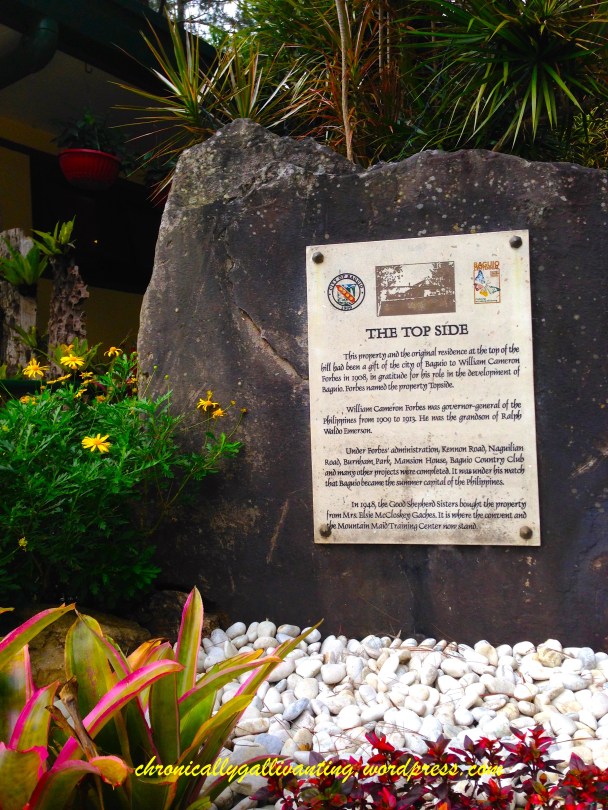
All these people’s visions help create what we now enjoy as Baguio City. Since I was a child, I remember going to Baguio almost every summer with my family. Sliding down the dry leaves and branches in Camp John Hay with paper cardboards, rowing boats in BUrnham Park, eating papaet around the area, throwing coins in Mines View Park, buying strawberries and native products in Baguio Market and lining up in Good Shepherd for their well known Strawberry Jam and Blueberry Jam (which is sadly not available anymore), these are memories that make Baguio close to my heart.
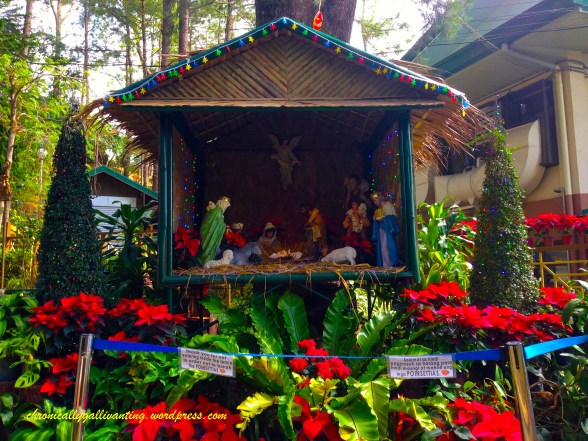
More and more places worthy of a visit are now found in Baguio that not only is picture perfect but gives a sense of history and pride in the Filipino Identity.
Here are my top places to visit and things to do:
- Bring a basket of food and have a picnic with your family in Camp John Hay. Trust me, your kids will love it!
- Ask around or check the schedule but make sure you watch the parade, exhibition or other events in the Philippine Military Academy. It’s one heck of a sight, I tell you!
- Good Shepherd Convent – Don’t forget to buy the Strawberry Jams, Lingua de Gato and other products. Whenever you buy, more less privileged youth are able to attend school and have a better future.
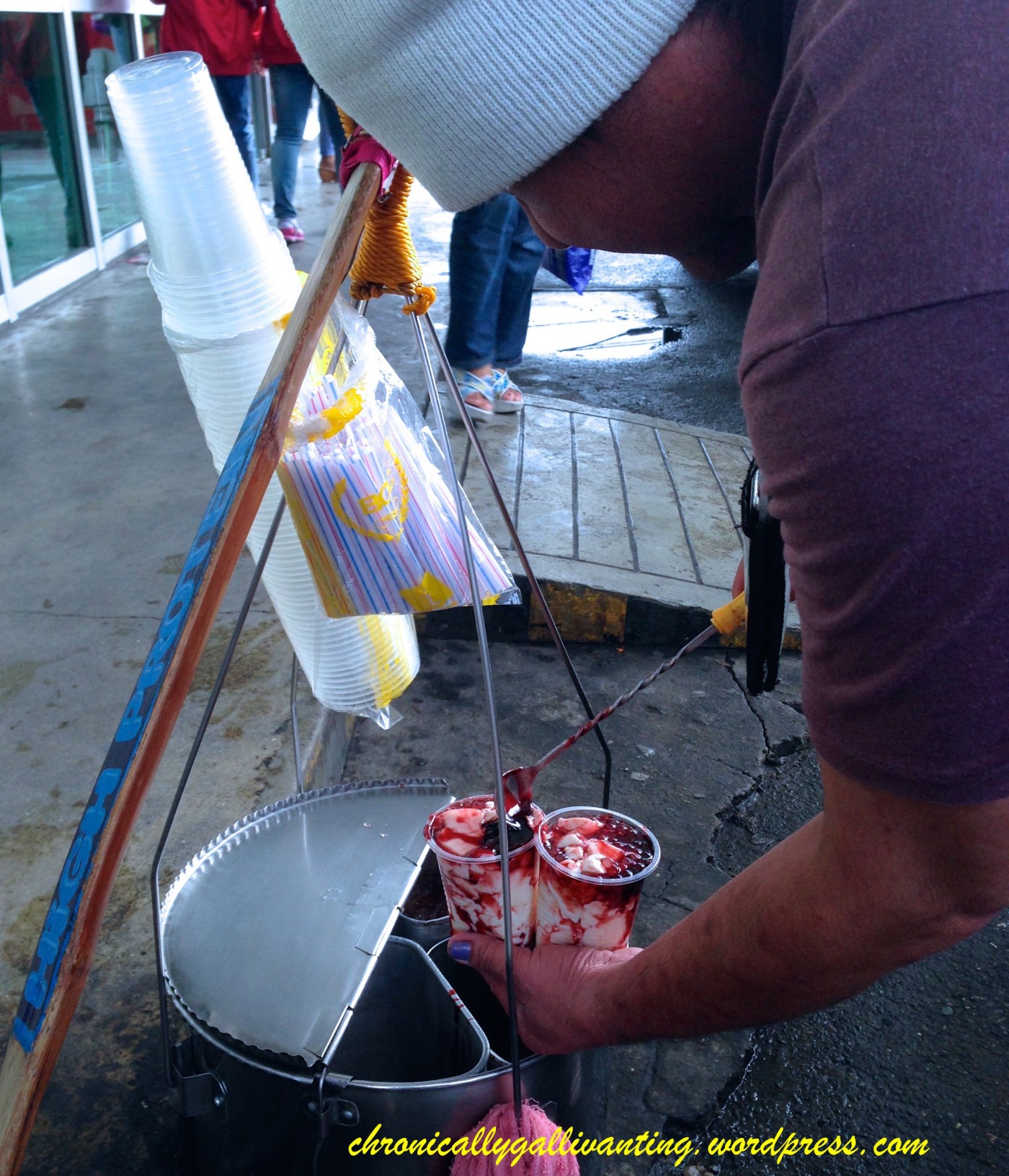
- Be healthy and eat taho! Better yet, eat Strawberry Taho!
- Eat Papaet! The mere mention of this Ilokano dish just makes me drool. Made from goat’s innards with a few bile drops, this dish is not for the faint of heart. A truly acquired taste!
- Shop in Maharlika Market and have a look (and buy) the local products. They have competitive prices and quality products, I can assure you!
- Baguio Cathedral – Attend mass and walk down the steps that lead straight to Session Road.
- Walk back and forth Session Road and try the old restaurants.
- Eat in Good Taste and your stomach will definitely be satisfied at a very affordable price.
- Go to La Trinidad and pick some strawberries straight from the vines.
- Visit the Baguio Museum. Take the information seriously and stop calling people who wear ‘bahag’ (g-strinTry Jack’s Restaurant, a truly g) uncultured or uneducated. Reminds me of the fly who felt more powerful than the carabao when he landed on its back.
- Walk around Burnham Park and watch people relax and play chess. It’s soothing, believe me.
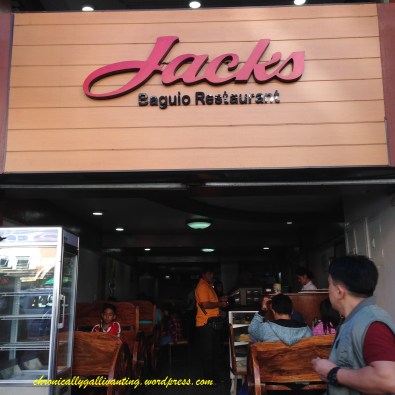
- Try Jack’s Restaurant, a truly authentic Ilokano dish along Session Road
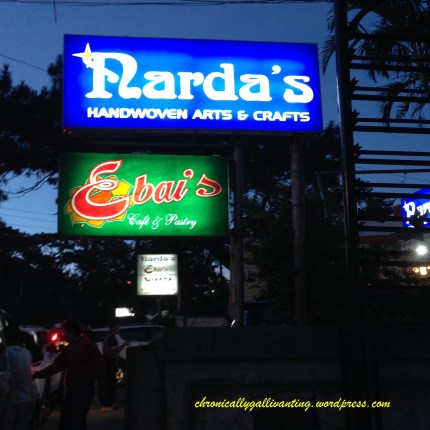
14. Take a look at Narda’s but be well dressed. I got the feeling I was looked down because my clothes were ‘too comfortable’.
15. Above all, eat strawberries. You haven’t been in Baguio if you did not eat strawberries.
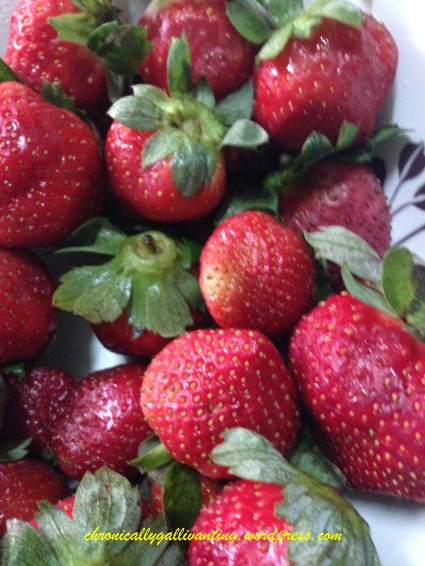
‘Buff said!
Sources:

http://www.gobaguio.com
http://www.baguio.gov.ph/about-baguio-city
 chronically gallivanting
Leave a comment