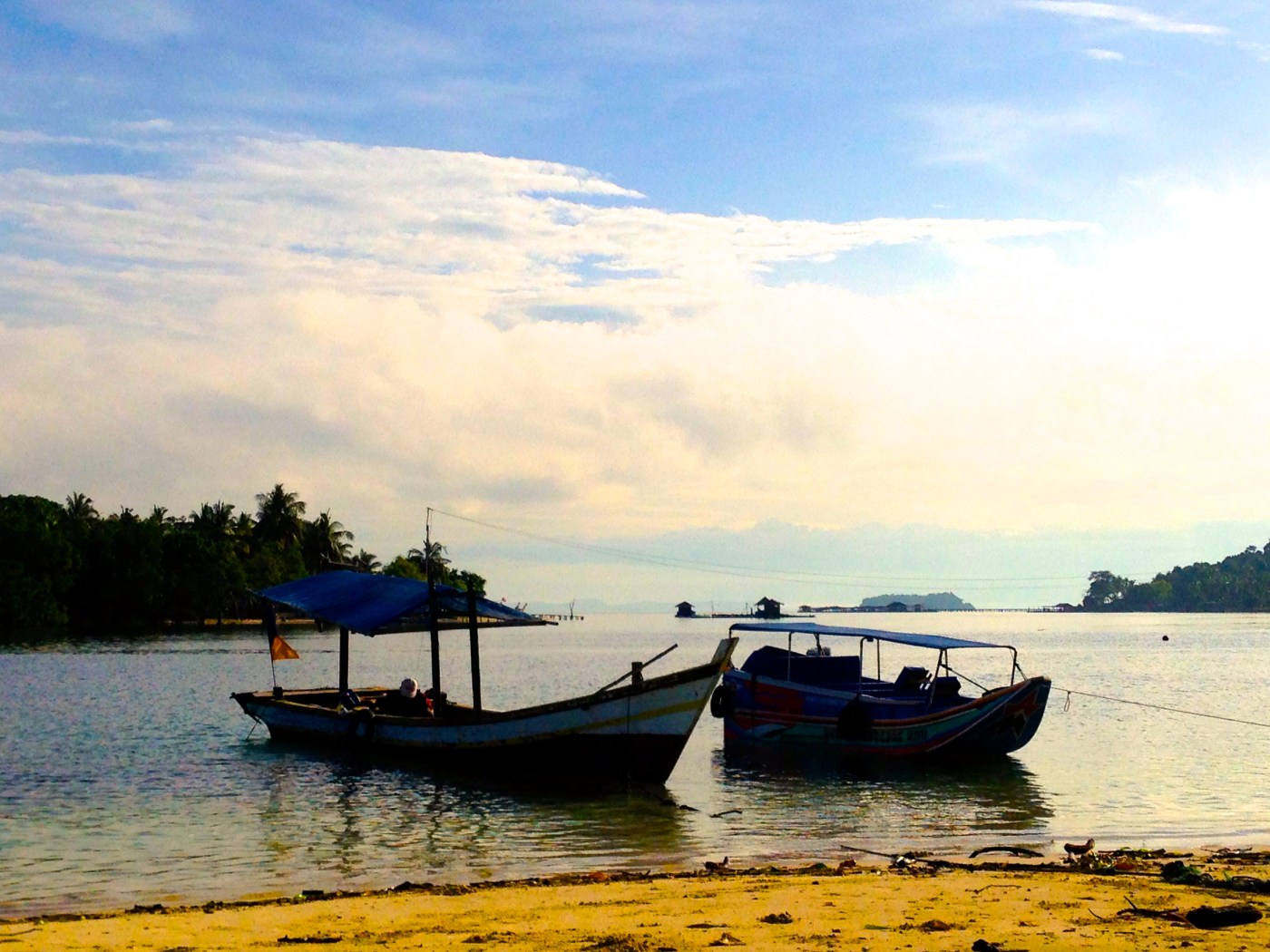
Living in Jakarta means in constant search of some clear, blue salty water that laps on to your toes every 5 seconds. The nearest source of that lapping waves is Pulau Seribu or Thousand Islands, located near the north of Jakarta in tthe Java Sea and West Jakarta Bay. If perchance you have visited the main islands more than twice, it’s about time to move beyond and jump to the nearby island.
A 25 minute plane ride worth around USd40 (for a roundtrip ticket) gets you to Bandar Lampung, the capital city in South Sumatra. It is considered a gateway to Sumatra especially those coming from Java, where the capital is located. The airport is currently undergoing renovation (mid-November 2016) and expansion and would be ready by 2017.
Lampung is well-known for its coffee. It is also one of the main sources of cloves, cocoa beans and their woven cloth called the Tapis, using cotton yarns to create decorative patterns. The indigenous tribe is called Ulun Lampung, who has their own language and script. Oh and Lampung is synonymous to Krakatau, a small volcanic island that most visit when one is in the area.
A 2-3 hour ride from the airport gets you to Dermaga Ketapang, a small pier with bancas and shower rooms with the sign ‘toilet’. This is where you can change and get ready for a dip, before checking-in. An hour in the boat and you will approach the first snorkelling spot. Doesn’t matter if it was 11 a.m., you will be good to go as the clear water invites you to slowly sink in.
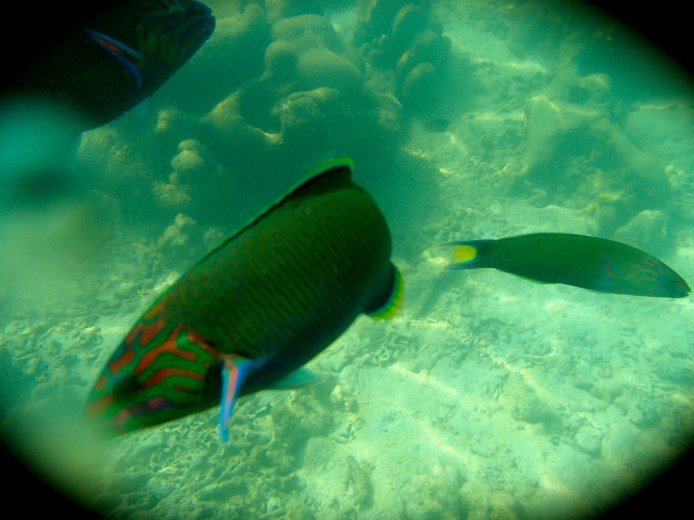
An hour and a half of snorkelling lets you enjoy the clear, cool water with some parrot and butterfly fish playing around the corals. The sound of a grumbling stomach is a signal for lunch so head out to Pahawang Besar. A simple lunch paired with some refreshing coconut water will prepared you for the next adventure, the afternoon downpour. The ‘wet season’ during this time of the year manifests in the afternoon as you will eventually learn. Imagine wearing swimsuits, taking shelter under a makeshift stall gulping two cups of steaming coffee to stop the shivering thanks to the continuous wind and rain. Expect to be stuck for 2-3 hours under the makeshift stall and you will pass another swim to avoid the risk of another drizzle.
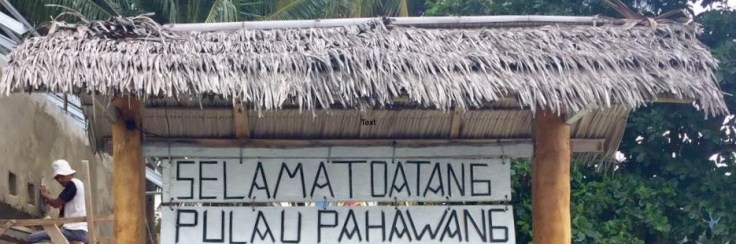
As soon as the rain subsides, the boat will go straight to Pahawang Kecil, where a more quiet ‘homestay’ is located. A ‘homestay’ is when guests/travellers stay in the house of a local family, sometimes called transient houses or bed and breakfast in other places. There are two islands, Pahawang Kecil (Small Pahawang), where it is recommended you stay, and the other is Pahawang Besar (Big Pahawang), where most board. The house is usually divided in such a way that the owners and those staying do not run into each other.
A spacious living room, two bedrooms and two bathrooms with those Turkish toilets, of course, can accommodate 6-8 people. Putting up with Turkish Toilets for a weekend maybe worth it (for those used to Western toilets all their lives) in exchange of the still clean and clear saltwater. In addition, a spacious veranda for chatting al fresco along with a few bottles of beer to cool down provides a peaceful version of afterwork drinks. Yes, you read that right, beer. It’s available and it’s accepted. Tourism has given the locals a more open-minded way of thinking when it comes to alcohol. Electricity is not stable but the homestay is the only house that had lights and fan working thanks to the generator while others were having a power failure. The blackout was caused by the afternoon rain, the same one that had some people stranded and shivering under the leaking roof.
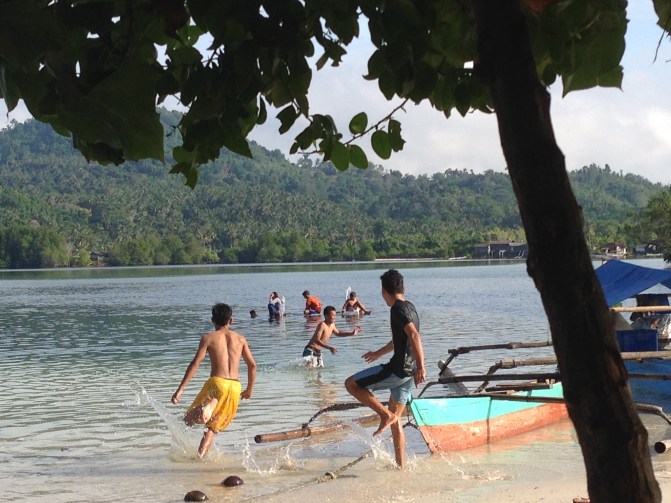
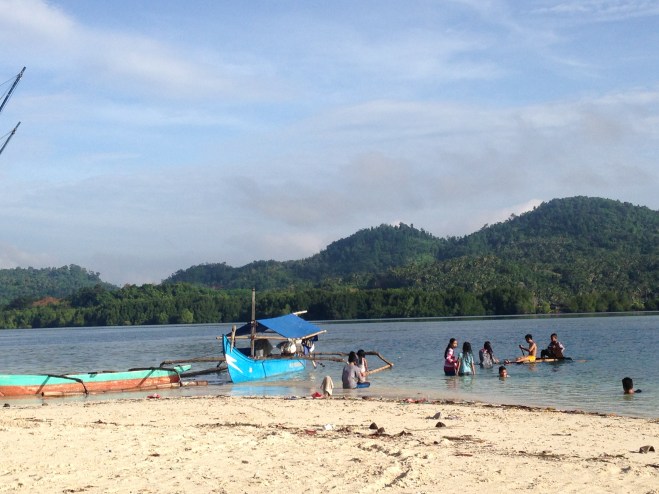
A glorious morning, with the sun up and breakfast ready. Watching the locals keep an eye on their children as they play in the water while a group of men pounding on a boat is a scene that reminds you of your holiday. Early morning snorkel until 12 noon in other snorkelling spots lets you see more parrot fish and small but spirited butterfly fish. The live corals are starting to calcify and it will be such a loss that these will harden in a year and the fish will have to look for another spot. Something should be done here.
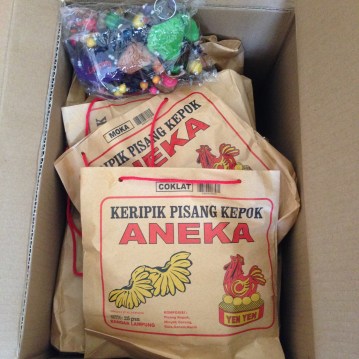
With the morning concluded, you may head straight back to Dermaga Ketapang for a shower and change for your flight back home. In Asia, it’s tradition to bring souvenirs from a trip when you go home. When in Lampung, it would be a crime to skip Toko Manisan Yen-Yen, a food and souvenir shop highly recommended. A mere USD15 can get you 4 bags of those crispy, flavoured banana chips, a pack of good Lampung coffee and some pempek or traditional fish cake made of fish (obviously) and tapioca from the store next door.
Budget:
Around USD 150 including the airfare and souvenirs.
Afterthoughts…
- Though the corals and schools of fish were lovely, they are dwindling. Those who are snorkelling are stepping on the live corals unknowingly killing them. That is the reason for the calcification.
- Plastic bags, small and big, are like splashes of light. They come and go and we disregard them instead of taking it with us to help clean this big body of water.
- Additional and visible trash bins would remind people to put their trash in its proper place instead of putting these in one corner, encouraging others to do the same.
 chronically gallivanting
Leave a comment